A sudden lockout tests practical judgment more than it tests patience, and the right choices save time and money. When you need local options fast, it's worth knowing where to look for a reputable 24 hour locksmith near me and what questions to ask before help arrives. Take a few minutes to read the practical steps below so you react quickly, avoid damage, and choose a provider who actually knows what they're doing.
First actions that reduce risk
A quick, calm checklist reduces the chance you'll make a choice that costs extra. Check for spare keys or an open entry point you control and trust; many people forget about a key hidden with a neighbor or a trusted family member. If you have a spare, use it; if not, avoid forcing the door or bending a window screen because those fixes create expense and insurance questions. Photograph your lock and vehicle key fob if possible so you can show a technician the type and any visible damage before they arrive. A clear photo can speed diagnosis and prevent a technician from bringing the wrong equipment.
Is this a real emergency or a nuisance?
Separate true emergencies from problems you can schedule for later to save money. If a child, elderly person, or pet is locked inside, treat it as an emergency and call professional help right away. If the lock is broken after a burglary or there are signs of forced entry, secure the scene and contact police before any locksmith touches the locks. For a standard house lockout late at night with no immediate danger, you can compare calls, ask for ETA, and choose a reputable local technician rather than the first bidder on a directory. Waiting 30 to 60 minutes for a vetted pro is often better than paying a high emergency fee to the first arrival.
How to choose a locksmith on the fly
Ask short, targeted questions and watch for clear, consistent responses. Ask the company for a business name, physical address, and a phone number that matches online listings; a reputable local shop will give those immediately. Then request an ETA, a clear pricing estimate that includes call-out and labor charges, and whether they will accept card payment on site. Confirm they will provide identification and a written receipt or invoice; technicians should be willing to describe the method they plan to use and to avoid destructive entry unless you authorize it. If a company refuses to provide these basic details, hang up and try a different provider.
Pricing traps and how to avoid them
Ask for all fees up front so the arrival quote matches the call estimate. A straightforward call should give you a price range for a residential lockout, a car lockout, and for rekeying or replacing a deadbolt. If the initial quote is suspiciously low, ask why; low-ball prices are a common bait to get on site and overcharge. Confirm whether price quotes include parts, taxes, and a flat service fee, and whether the tech can process a card payment where you stand. If a technician demands cash only or quotes an unusually high "after-hours" charge without explanation, consider calling another company.
DIY risks that cost more later
Picking or forcing a lock without experience often causes expensive damage that voids warranties and complicates insurance claims. If you have a simple spring-latch and a little experience, you might use a slip-tool to open the door without damage, but be honest about your skill level. If the door has a deadbolt, electronic lock, or you suspect internal damage, wait for a professional to avoid turning a lockout into a replacement job. Attempting to remove a keyed cylinder or drilling a lock should be a last resort because those actions typically require new hardware and fitting afterward. A trained technician often opens a lock in minutes without replacement, saving you time and money.
Car lockout specifics and key fob issues
Car lockouts come in two broad flavors, mechanical key issues and electronic key fob problems, and each needs a different approach. If you can see the keys inside the car and a child or pet is at risk, call emergency responders while waiting for an auto locksmith to arrive. If the key fob has stopped working, ask a hired car tech whether they perform on-the-spot car key programming or if the dealer is required. For modern vehicles, hard-copy key replacement plus programming often costs several hundred dollars depending on make and model, while older mechanical keys may be much cheaper. Always ask whether the technician can cut a key from the VIN or from the lock itself, and whether on-site programming is included in the quote.
When to involve an electrician or IT
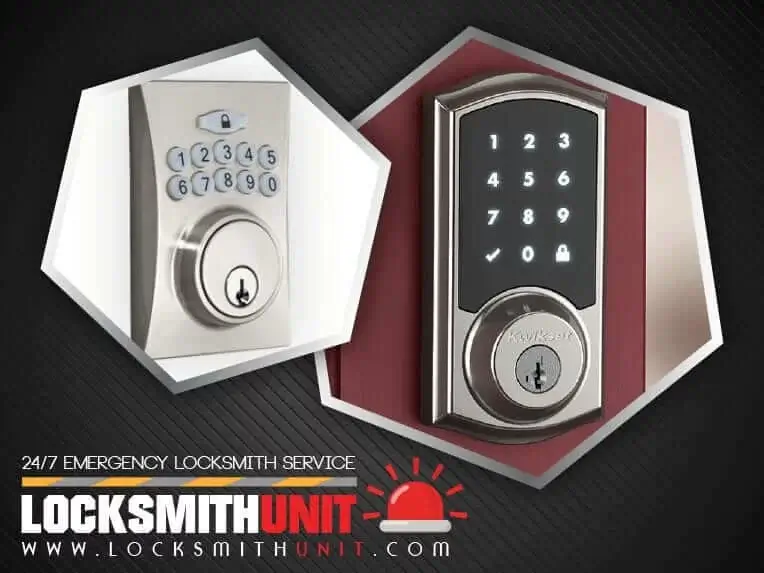
A locked-out homeowner should identify whether the lock is mechanical with an electronic add-on or fully electronic. If the problem looks like a dead battery, a technician can often replace it quickly and restore access without invasive work. If the lock has lost cloud connectivity or needs firmware work, the manufacturer's support or a locksmith experienced with electronics may be required. Avoid tossing the entire smart lock unless the technician confirms it cannot be saved, because many modules can be repaired or reprogrammed, saving several hundred dollars. If the lock is part of a larger home automation system, coordinate with whoever manages the hub to ensure the replacement integrates properly.
Which option fits your situation
Know what each process accomplishes before you authorize work. Rekeying changes the internal pins so old keys no longer work and usually costs less than a full replacement for standard residential locks. Replacing the lock gives you a chance to upgrade to a more secure cylinder or smart lock and may be justified if the existing hardware is worn or nonstandard. Ask the locksmith to show you the old cylinder during the visit; a worn or cracked cylinder points toward replacement rather than rekeying. If you suspect a break-in, replacing locks and changing out all keyed access points gives a clean security baseline.
Signs you're working with a pro
A professional locksmith arrives in a labeled van with clear identification, explains the process, and asks for proof of ownership before working on a secure entry. They also provide a written receipt and a clear explanation of any charges before they start. They will try non-destructive entry first, demonstrate the issue, and outline options such as rekeying, repairing, or replacing hardware with estimated costs. A technician who starts removing parts immediately without discussion is often trying to create work. Good techs keep spare common cylinders and keys, have machines for cutting keys on site, and can program common transponders for cars from a mobile unit. If a tech cannot provide an estimate because they "need to see it" that's reasonable, but they should still give a ballpark based on description.
Protecting yourself during service
Technicians will ask for photo ID and proof of ownership because reputable locksmiths follow rules designed to prevent unauthorized entry. They may refuse to work without ID or will request you sign an affidavit if police are involved. Take a photo of the technician's ID and the vehicle's license plate if you have time, and insist on a written invoice with the make, model, or lock type listed. That paperwork is useful if you need to dispute charges or file an insurance claim later. If you're leasing, notify the property manager and check lease terms about locksmiths and consent, because some agreements require landlord authorization before locking work. Ignoring lease rules can cause avoidable fines or disputes.
Simple steps that reduce future lockouts
Small habits prevent a large share of lockouts, and cheap preventive measures often pay for themselves in avoided service calls. Keep a trusted spare key with a neighbor, in a secure lockbox, or with a family member, and update that plan if you change residence or routines. A wall-mounted key-safe with a code can be $30 to $100 and saves emergency fees if installed and used responsibly. Upgrade worn hardware before it fails, and choose locks graded by industry standards for higher traffic or security needs. For cars, order a locksmith backup transponder key through a reputable dealer or locksmith and store it separately to avoid high-cost roadside programming later.
Handling claims and reports
Know the distinction to set expectations. If forced entry is present, do not let anyone move evidence before police arrive; document damage with photos and retain the locksmith's report for the claim. If your insurer asks for an invoice, request a detailed receipt from the technician showing parts, labor, and time. For roadside lockouts, some auto insurance or roadside assistance plans include lockout service, and you should check whether your plan reimburses a private locksmith. If assistance is included, calling the plan's provider first avoids out-of-pocket expense.
Pitfalls to avoid
People often increase costs by attempting half-measures, like forcing a latch or calling a random number from an online ad without verifying credentials. Don't let an unverified company misquote then raise the price on arrival; insist on written estimates and keep records of calls. Don't attempt to remove a cylinder unless you have the right tools and a plan, because you may end up needing a full replacement. Avoid paying large cash deposits to a technician who promises rapid service; reputable companies accept payment on completion and provide a receipt. If something feels off, call another company or ask the tech to wait while you confirm identity through an online listing.
Balancing cost and security
Upgrading locks is worth considering when hardware is old, you've moved into a new home, or multiple people have unsupervised access. If your locks are a decade old, a modern high-security cylinder can reduce the risk of bumping and picking while still fitting your existing door. If you keep losing keys or have had a break-in, a keyed-alike system or master key plan may simplify access while improving control. For commercial properties, a periodic review of access control, including rekey cycles and key distribution logs, prevents small vulnerabilities from becoming large liabilities. A locksmith can recommend a schedule and products calibrated to your property type and traffic levels.

Field-tested tips from professionals
Locksmiths want homeowners to do a little homework before calling so the response is fast and effective rather than chaotic. When you call, describe the exact model, any visible damage, whether keys are inside, and whether electricity or network connectivity affects the lock. If you can't describe the lock, send a photo and the tech can confirm if they carry the needed tools. Expect honest technicians to decline destructive methods and to recommend the least invasive fix first; if someone insists on demolition, get a second opinion. Keep contact details for two reputable local companies so you have options at odd hours.
Small preparations, sensible questions, and a few upgrades reduce emergency calls and keep doors functioning as they should. When you need proven help fast, use a trusted local provider such as locksmith Orlando to avoid surprises.